
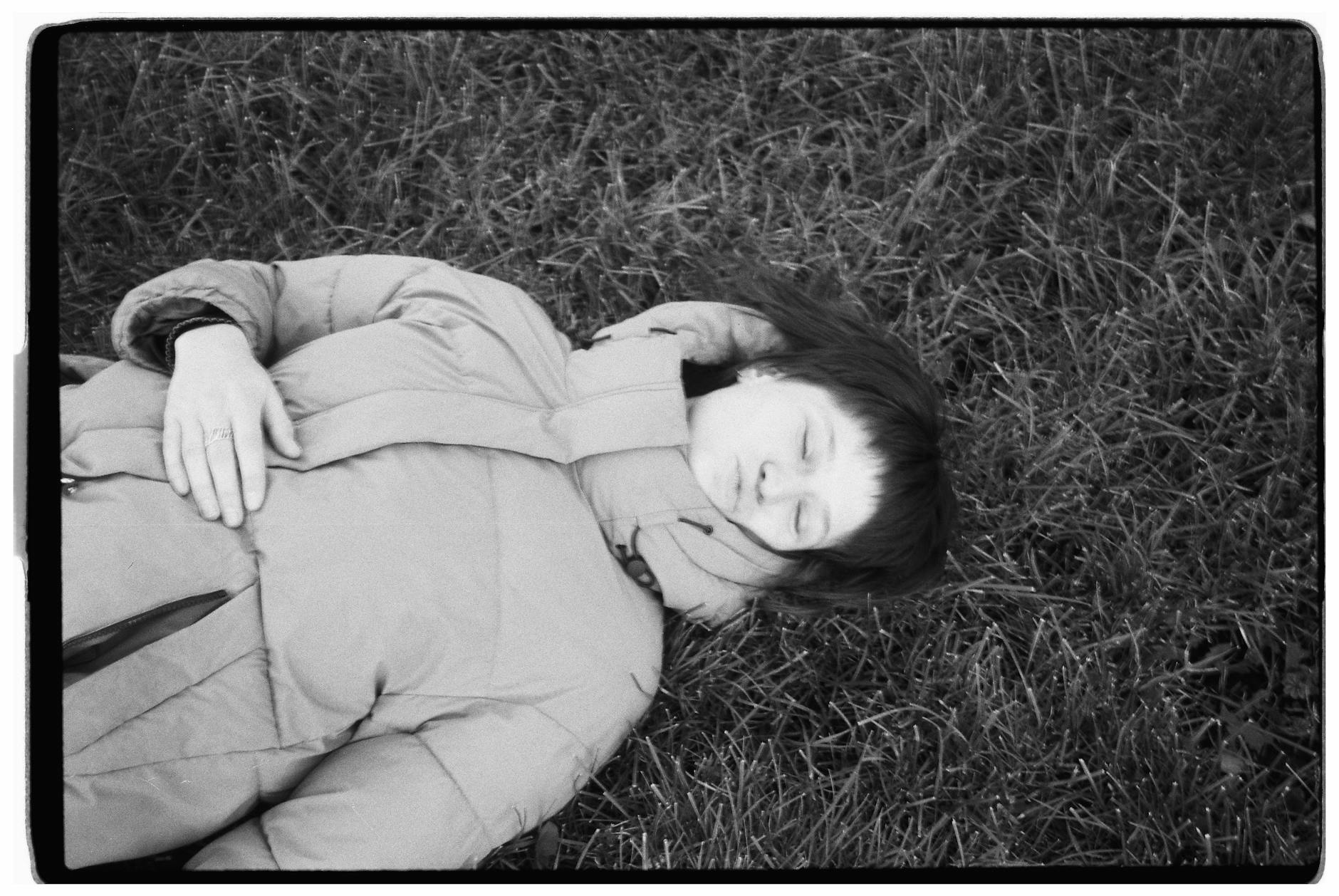
Sleep and mental health are deeply intertwined. Poor sleep can trigger or worsen mental health conditions, while mental health challenges often disrupt sleep patterns. Understanding this bidirectional relationship is essential for comprehensive mental health care at Nova Peace.
How Sleep Affects Mental Health
During sleep, our brains process emotions, consolidate memories, and regulate neurotransmitters crucial for mood stability. Research from the National Sleep Foundation shows that adults need 7-9 hours of quality sleep nightly. Chronic sleep deprivation affects the prefrontal cortex and amygdala, regions responsible for emotional regulation and decision-making.
Studies published in JAMA Psychiatry demonstrate that individuals with insomnia are ten times more likely to develop depression and seventeen times more likely to experience significant anxiety.
Common Sleep Disorders and Mental Health
Insomnia affects approximately 30% of adults and frequently coexists with depression and anxiety. Sleep apnea disrupts sleep architecture and oxygen levels, contributing to mood disturbances and cognitive impairment. Restless leg syndrome can cause chronic sleep disruption and associated mental health challenges.
Improving Sleep for Better Mental Health
Evidence-based strategies include maintaining consistent sleep and wake times, creating a relaxing bedtime routine, limiting screen time before bed, keeping the bedroom cool, dark, and quiet, avoiding caffeine and alcohol close to bedtime, and practicing relaxation techniques like progressive muscle relaxation or meditation.
When to Seek Professional Help
If sleep problems persist for more than three weeks, significantly impact daily functioning, or occur alongside mental health symptoms, professional intervention is warranted. At Nova Peace, we address both sleep and mental health concerns through evidence-based approaches including cognitive behavioral therapy for insomnia (CBT-I), which research shows is more effective than medication for long-term sleep improvement.
Leave a Reply